YC REAL ESTATE · NEIGHBORHOOD LIBRARY

West Village

The angled pre-1811 grid, the most thoroughly landmarked blocks in New York, and the birthplace of the modern LGBTQ+ movement.

MANHATTAN · CD 2 · NTA MN0502 · JUNE 2026
$2.6M Condo / co-op median · Q1 2026
$2,100 PPSF · condo / co-op median
1969 Greenwich Village Historic District
$10–40M+ Townhouse sale band
11 · PATH Subway services · ~6 stations
The story

The grid that doesn’t work, and the village it protected

01 · The angled grid

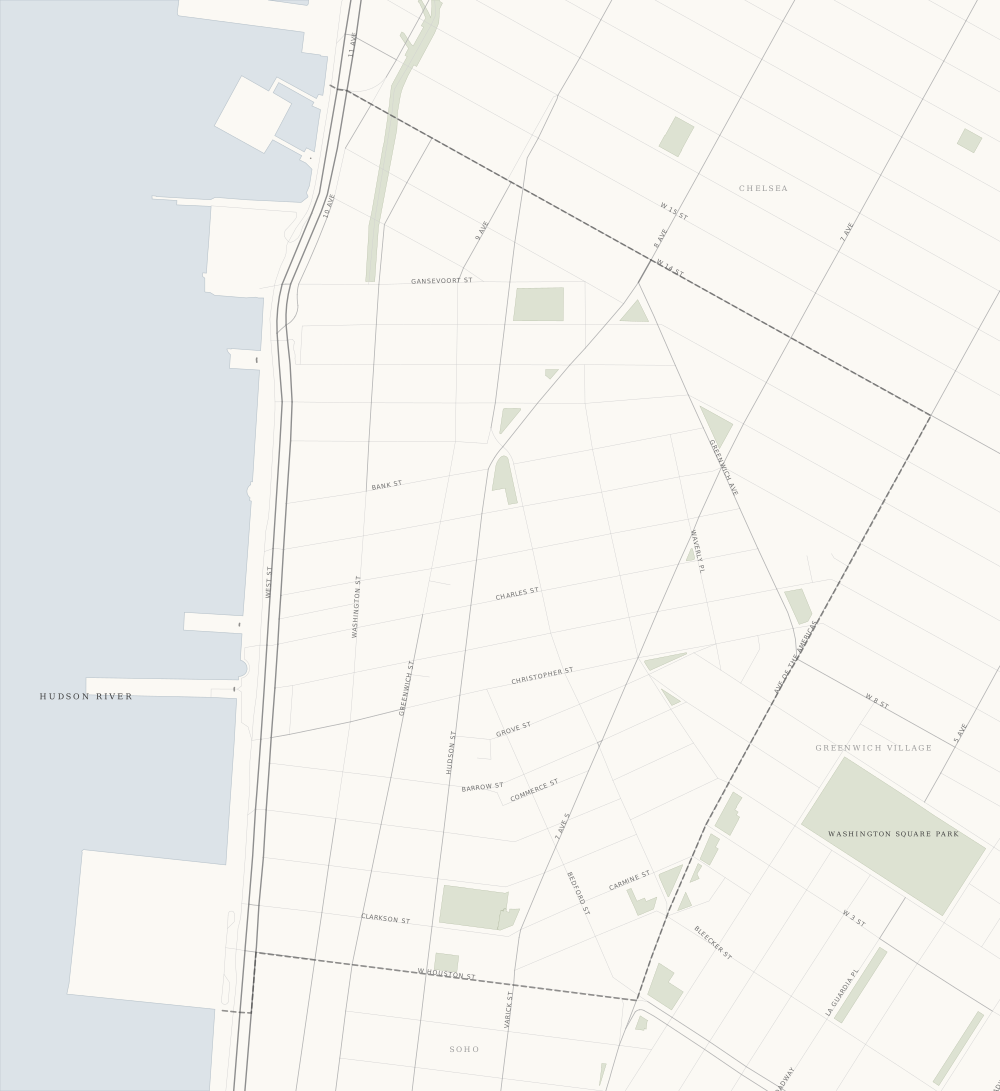
The West Village is the western half of Greenwich Village — the blocks between the Hudson River and Sixth or Seventh Avenue, from West 14th Street south to Houston. Its defining street-level fact is that the grid does not work here. Greenwich Village predated the Commissioners’ Plan of 1811 and was exempted from it, so the blocks south of 14th run on angled pre-grid alignments — the corner where West 4th Street crosses West 10th, the diagonals of Bedford, Barrow, Grove, Christopher, and Greenwich.

The neighborhood sits inside Manhattan Community Board 2; its primary ZIP is 10014, and the City Planning tabulation area MN0502 is one of the few whose name matches what residents actually call the place. Transit is dense in a way the angled grid disguises — eleven subway services and PATH reach roughly six station complexes inside or on the edges of the box.

02 · The literary village

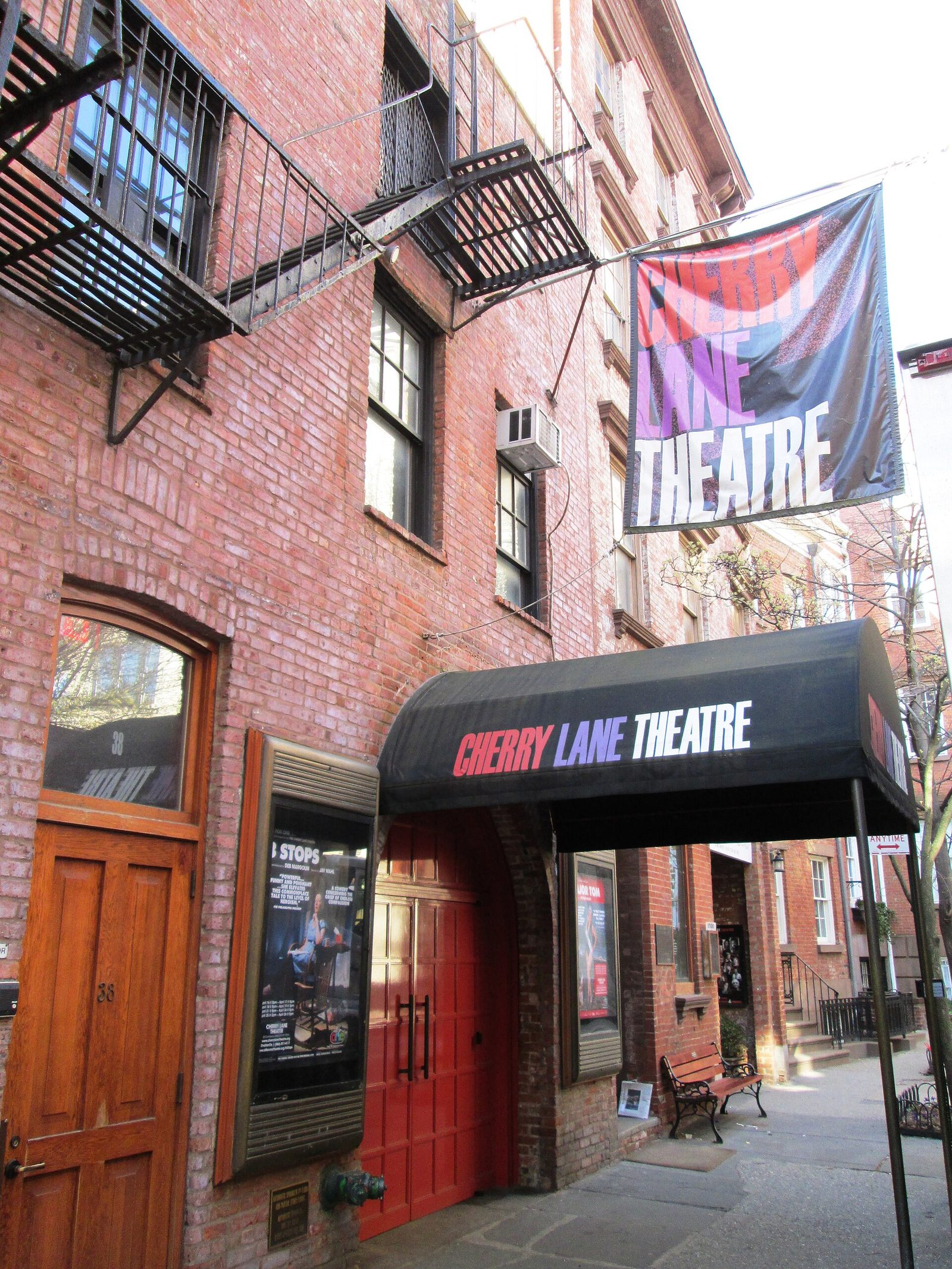
By the 1910s the West Village had absorbed the bohemian and political-radical scene that defined the popular sense of “Greenwich Village.” Cherry Lane Theatre opened in a converted Commerce Street silo in 1923; Edna St. Vincent Millay rented 75½ Bedford the same year; the White Horse Tavern became Dylan Thomas’s room in the early 1950s.

The most consequential postwar resident was Jane Jacobs, who lived at 555 Hudson Street from 1947 to 1968. The block — Hudson between Perry and West 11th — is the literal source material for The Death and Life of Great American Cities (1961), the book that became the defining argument against postwar urban renewal. From the same address she led the campaign that killed Robert Moses’s Lower Manhattan Expressway.

03 · Stonewall and the gay village

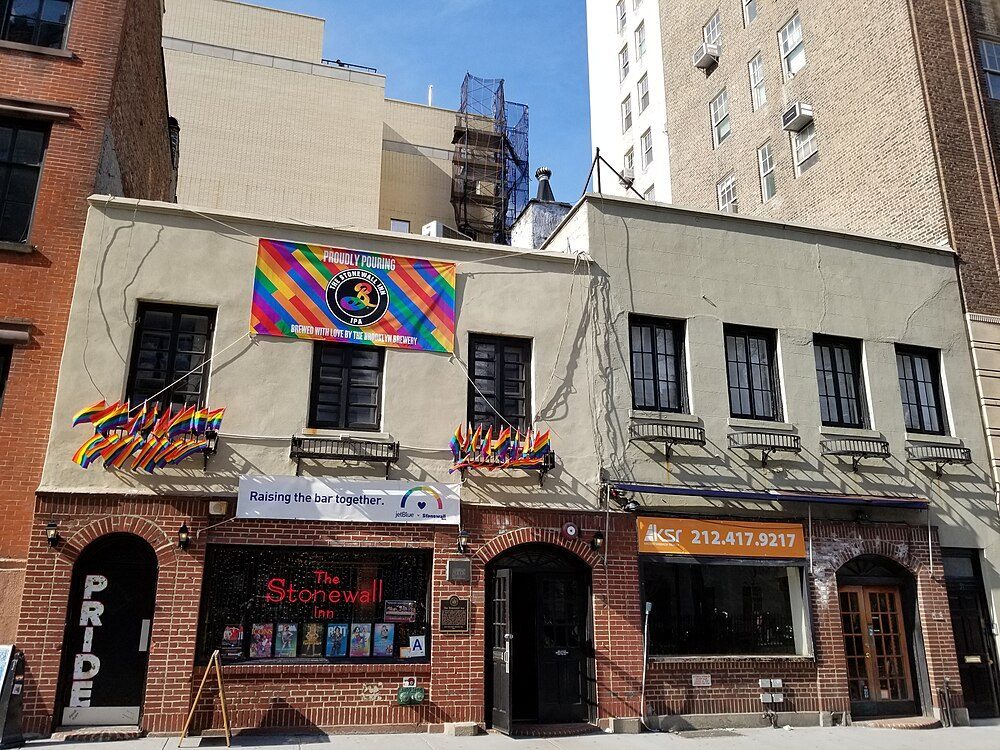
On June 28, 1969 a police raid on The Stonewall Inn at 51–53 Christopher Street met six nights of resistance — the conventional start of the modern LGBTQ+ civil rights movement, with Marsha P. Johnson and Sylvia Rivera among the early participants. The Christopher Street corridor became the country’s most concentrated gay village; the LGBT Community Center opened on West 13th in 1983, and ACT UP was founded there in 1987.

St. Vincent’s Hospital ran one of the country’s first AIDS wards a few blocks away; the New York City AIDS Memorial now stands at its triangle. The Stonewall Inn became a National Monument in 2016, and the Stonewall National Monument Visitor Center — the Park Service’s first dedicated LGBTQ+ site — opened next door in 2024.

04 · The protected market

Four overlapping preservation actions define the market. The Greenwich Village Historic District (LPC, April 29, 1969) covered more than 2,000 buildings on 65 blocks — the largest in the city at the time; extensions followed in 2006 and 2010, and the Far West Village rezoning of October 11, 2005 down-mapped the blocks west of Hudson Street and stopped the glass-tower campaign cold.

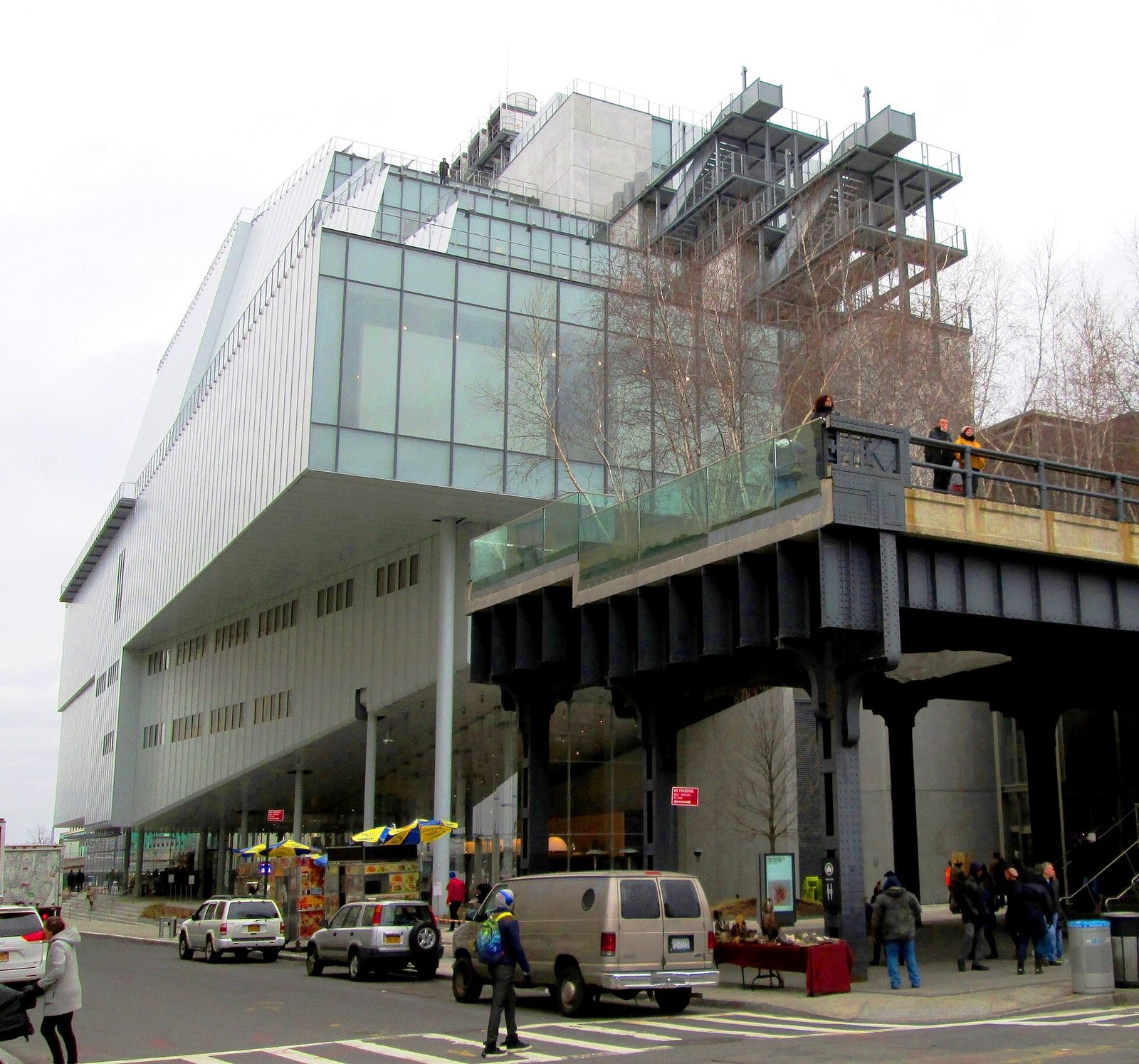
The cumulative effect: roughly ninety percent of the market-standard box is in a historic district or contextually rezoned, and the Federal and Greek Revival rowhouse inventory is finite and not reproducible. The post-2000 overlay — the Whitney at Gansevoort, Hudson River Park, and the Greenwich Lane on the old St. Vincent’s site — added cultural weight without adding supply. Current figures in The YCRE Edit, refreshed quarterly.

The waterfront

The Hudson River reclaim

05 · Pier 45 · Hudson River Park · opened 2003

The Christopher Street Pier

The 900-foot lawn-and-promenade pier opposite Christopher Street — per the Hudson River Park Trust the longest continuous lawn on the Manhattan waterfront, and a gathering place for LGBTQ+ New Yorkers since the 1970s. It opened with the park’s Greenwich Village segment on May 30, 2003, the most visible physical change to the West Village since the 1969 landmarking.

06 · Piers 40 / 46 / 51 · Hudson River Park

Lawns, fields, and a play pier

North to south along the West Village edge: Pier 46 carries a lawn and a turf field at the foot of Charles Street; Pier 51 is a nautical-themed children’s play pier near Horatio; Pier 40, the park’s largest, holds athletic fields at the foot of Houston and is under critical infrastructure repair. Together they turned a century of decaying freight piers into the neighborhood’s open space.

Where it lives

The angled grid, the landmarks, and the monument

1 2 3 4 5 6 7 8 9 10 11 12 13 14 15 16
0175½ Bedford Street
02555 Hudson Street
03The Stonewall Inn
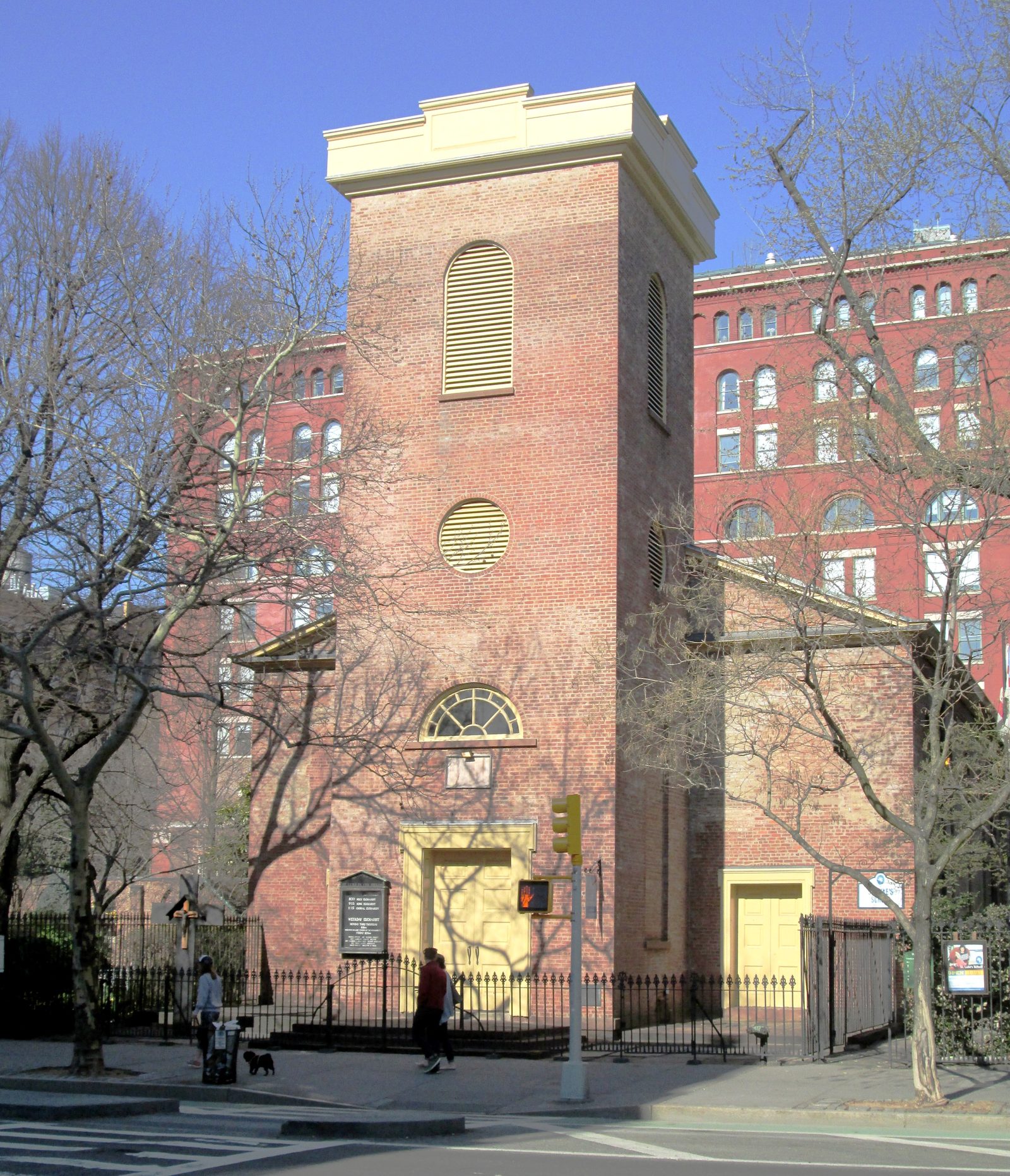
04Church of St. Luke in the Fields
05Northern Dispensary
06Patchin Place
0718 West 11th Street
08The Greenwich Lane
09Richard Meier Towers
10Whitney Museum of American Art
11Cherry Lane Theatre
12Lucille Lortel Theatre
13IFC Center
14The LGBT Community Center
15Stonewall NM Visitor Center
16New York City AIDS Memorial
Where you live

The Sodi–Williams corner, the bars, the river parks

1 2 3 4 5 6 7 8 9 10 11 12 13 14 15 16 17 18 19 20 21 22 23 24 25 26 27 28 29 30 31 32 33 34 35
01Via Carota
02Buvette
03I Sodi
04L’Artusi
05Don Angie
06Sushi Nakazawa
074 Charles Prime Rib
08The Waverly Inn
09Anton’s
10Joe’s Pizza
11Magnolia Bakery
12Bar Pisellino
13Joe Coffee Company
14Partners Coffee
15The White Horse Tavern
16Employees Only
17Dante West Village
18Henrietta Hudson
19Little Branch
20Cubbyhole
21Marie’s Crisis
22Smalls Jazz Club
23Citarella
24Murray’s Cheese
25Faicco’s Italian Specialties
26O. Ottomanelli & Sons
27Bookmarc
28Pier 45
29Pier 46
30Pier 51
31Pier 40
32Abingdon Square
33Jackson Square
34James J. Walker Park
35Christopher Park
Notable buildings

Six addresses that explain the West Village

75½ Bedford Street

75½ Bedford Street · 1873

Nine feet six inches wide at the façade, eight feet seven inside — the narrowest house in New York, built in 1873 on a former carriage-house alley. Edna St. Vincent Millay rented it in 1923–24, the year she won the Pulitzer; William Steig and Margaret Mead lived here later. Still a private residence, and one of the most-photographed façades in the Village.

The Stonewall Inn

51–53 Christopher Street · 1843

A stable-and-garage building of 1843, opened as a gay bar in 1967. The police raid of June 28, 1969 met six nights of resistance and became the conventional start of the modern LGBTQ+ civil rights movement. A New York City landmark since 2015 and the first U.S. national monument dedicated to LGBTQ+ history, proclaimed in 2016.

The Greenwich Lane

160 West 12th Street · 2016

Five condominium buildings and five townhouses on the former St. Vincent’s Hospital site — architecture by FXFOWLE, interiors by Thomas O’Brien, developed by Rudin and Global Holdings. New York City’s first LEED Gold residential development, completed 2016–17; the penthouse sold to Howard Schultz for $40 million in 2017.

18 West 11th Street

Greek Revival · 1845 / rebuilt 1978

A Greek Revival rowhouse of 1845, destroyed on March 6, 1970 when a Weather Underground bomb detonated in the basement. Hugh Hardy’s 1978 rebuild inserted a jutting modernist bay into the otherwise restored row — the only contemporary intrusion in the streetscape and one of the most-litigated façade decisions of the LPC’s first decade.

Church of St. Luke in the Fields

487 Hudson Street · 1822

Built in 1821–22 as a country chapel of Trinity Wall Street, with Clement Clarke Moore on its early vestry — Greenwich Village’s oldest church building. Today an active Episcopal parish with a K–8 school and one of the city’s most quietly admired gardens on its Hudson Street campus.

555 Hudson Street

555 Hudson Street · 1842

The former candy store with apartments above where Jane Jacobs lived from 1947 to 1968 — two doors from the White Horse. The block is the literal source material for the “sidewalk ballet” and “eyes on the street” chapters of The Death and Life of Great American Cities, 1961. There is no museum; the block is the marker.

The quiet things
The institutions are old. The White Horse Tavern has poured at 567 Hudson since 1880; Marie’s Crisis has run a sing-along in a Grove Street basement since the 1970s; Cherry Lane has staged plays on Commerce Street since 1923. The mews survive because the angled grid left odd interior lots — Patchin Place, Milligan Place — that nineteenth-century developers turned into private courts. The neighborhood’s losses are real, the Spotted Pig and Cornelia Street Café among them, and the survivors get more attention for it. What the 1969 designation froze in place is not a streetscape so much as a way of living on a block.
What it costs

Finite supply at the top of the market

~$2.6M Condo / co-op median · Q1 2026
~$2,100 PPSF · condo / co-op median
$40M Greenwich Lane penthouse · 2017
~90% Of the box landmarked or rezoned

The structural fact in the West Village market is supply. Four overlapping preservation actions — the 1969 Greenwich Village Historic District, its 2006 and 2010 extensions, and the 2005 Far West Village rezoning — froze new construction across roughly ninety percent of the market-standard box, leaving a finite inventory of 1820s–1850s Federal and Greek Revival rowhouses. The single-family townhouse is the marquee product, trading in a $10M to $40M+ band; the condo and co-op median ran near $2.4–2.8M at roughly $1,950–$2,300 a foot in early 2026, with the Greenwich Lane and the Richard Meier towers above $3,000. The Hudson-frontage penthouse comp set is thin, which keeps the very top volatile. Current PPSF figures sourced from The YCRE Edit, refreshed quarterly.

What’s said about it

In print

“Via Carota may be New York’s most perfect restaurant — and it sits on a corner the West Village would be unrecognizable without.”

THE NEW YORKERFOOD COVERAGE

“The West Village is the rare New York neighborhood that fought off the grid, the expressway, and the glass tower — and won all three.”

YCRE Picks

Where to go right now

Reference 18 fields
BoundariesHudson River W · Sixth/Seventh Ave South E · West 14th St N · Houston St S. The blocks south of 14th run on the angled pre-1811 grid. NTA West Village (MN0502), Manhattan CD 2. Primary ZIP 10014 (10011 above W 12th).
Historic districtsGreenwich Village Historic District (LPC April 29, 1969 — 2,000+ buildings on 65 blocks) · Extension I (May 2, 2006) · Extension II (June 22, 2010) · Far West Village rezoning (City Council October 11, 2005).
Subway1 at Christopher St–Sheridan Sq & Houston St · A/B/C/D/E/F/M at West 4th St–Washington Sq · A/C/E & L at 14th/8th · 1/2/3 at 14th/7th · F/M/L at 14th/6th · PATH at Christopher & 9th St. Eleven services plus PATH.
BusM14A/M14D SBS (14th St crosstown) · M20 · M55 · M8 (9th/10th crosstown) · M5.
WaterfrontHudson River Park, Greenwich Village segment (opened May 30, 2003) — Pier 45 (900-ft lawn) · Pier 46 (turf field) · Pier 51 (children’s play) · Pier 40 (fields, under repair).
Landmarks (NYC LPC)The Stonewall Inn (1843; landmark 2015; National Monument 2016) · 75½ Bedford St (1873) · Church of St. Luke in the Fields (1822) · Northern Dispensary (1831) · 18 West 11th St (1845/1978) · Patchin Place (1848) · 555 Hudson St (1842).
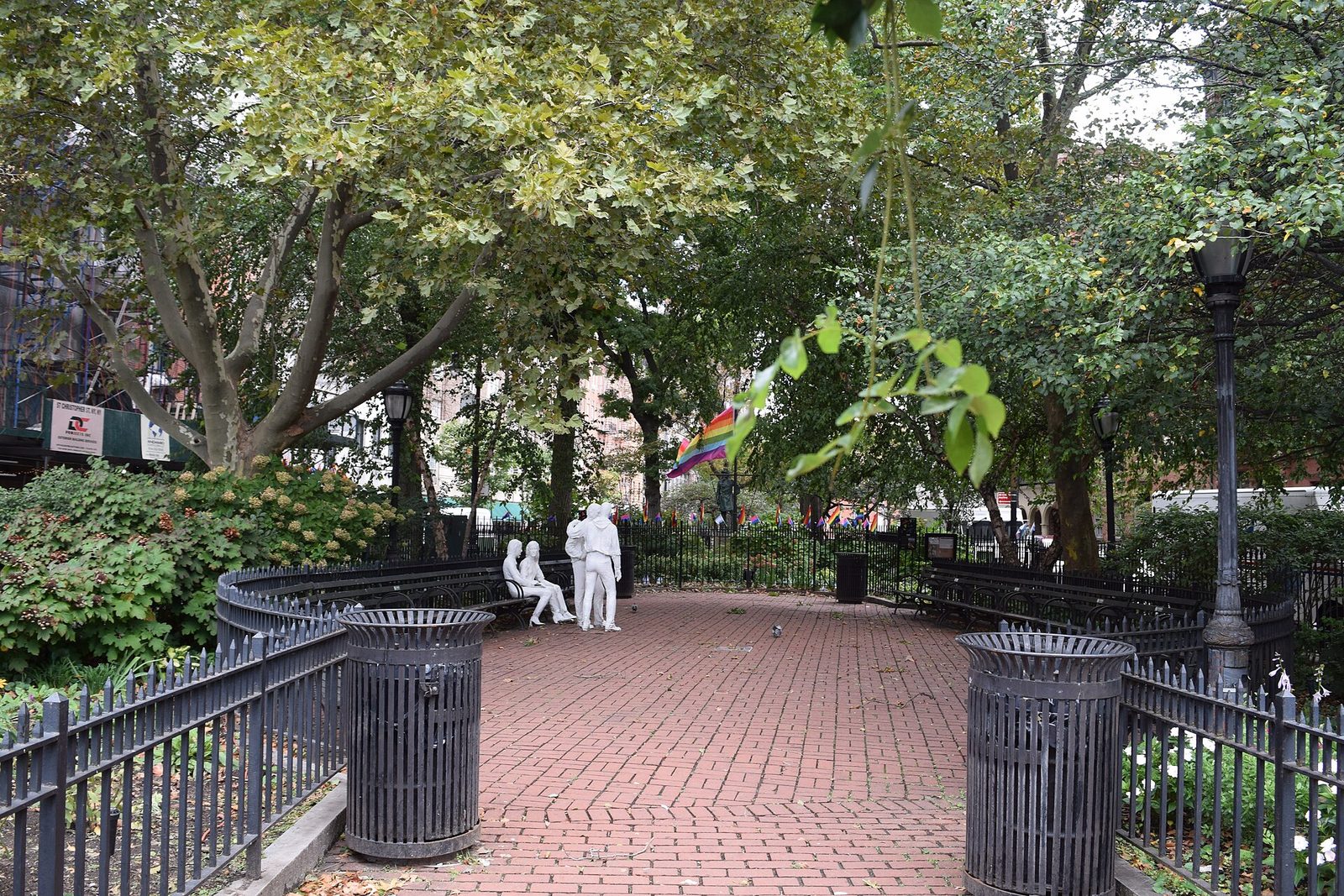
ParksHudson River Park (Piers 40/45/46/51) · Abingdon Square · Jackson Square · James J. Walker Park · Christopher Park (Stonewall National Monument; Gay Liberation Monument, 1980) · NYC AIDS Memorial at St. Vincent’s Triangle.
CulturalWhitney Museum (99 Gansevoort, 2015) · Cherry Lane Theatre (38 Commerce, A24, reopened 2025) · Lucille Lortel Theatre (121 Christopher) · IFC Center (323 Sixth Ave) · The LGBT Community Center (208 W 13th) · Stonewall National Monument Visitor Center (51 Christopher, 2024).
YCRE picks · diningVia Carota · Buvette · I Sodi · L’Artusi · Don Angie · Sushi Nakazawa · 4 Charles Prime Rib · The Waverly Inn · Anton’s · Joe’s Pizza.
Coffee & bakeriesMagnolia Bakery (401 Bleecker, 1996) · Bar Pisellino (52 Grove / 92 Seventh) · Joe Coffee Company (141 Waverly) · Partners Coffee (44 Charles).
BarsThe White Horse Tavern (1880) · Employees Only · Dante West Village · Henrietta Hudson · Little Branch (22 Seventh Ave S) · Cubbyhole · Marie’s Crisis · Smalls Jazz Club.
Shops & marketCitarella (424 Sixth Ave) · Murray’s Cheese (254 Bleecker) · Faicco’s Italian Specialties (260 Bleecker) · O. Ottomanelli & Sons (285 Bleecker) · Bookmarc (400 Bleecker).
SchoolsNYC DOE District 2. Zoned elementary commonly PS 3 Charrette (490 Hudson) and PS 41 Greenwich Village (116 W 11th). School zones are redrawn periodically — verify the zoned school for any specific address with the NYC DOE School Search tool.
Market · mid-2026Supply-constrained: roughly ninety percent of the market-standard box is landmarked or contextually rezoned. New product is rare — loft conversions and the few river-edge parcels (the Greenwich Lane, the Richard Meier towers).
PPSF benchmarksTownhouse band $10M–$40M+ at ~$3,500–$5,500/sf; condo/co-op median ~$2.4–2.8M at ~$1,950–$2,300/sf (Greenwich Lane & Meier towers above $3,000). The YCRE Edit, quarterly.
Notable salesGreenwich Lane penthouse $40M to Howard Schultz (2017) · Richard Meier Perry/Charles trades ~$3,000–$4,800/sf · restored Bank/Charles/Perry townhouses clearing into the $20–40M+ band.
Audit notePins web-verified June 2026 (four parallel subagents). Removed Gourmet Garage (closed 2018) and Three Lives & Co (Greenwich Village proper); corrected Bar Pisellino address, Little Branch (22 Seventh Ave S), I Sodi relocation (2023), 4 Charles (2016), Cherry Lane (now A24), Greenwich Lane (FXFOWLE / Rudin), Northern Dispensary (now God’s Love We Deliver).
Last updatedYC Real Estate Neighborhood Library · West Village · built June 2026 (all pins web-verified).
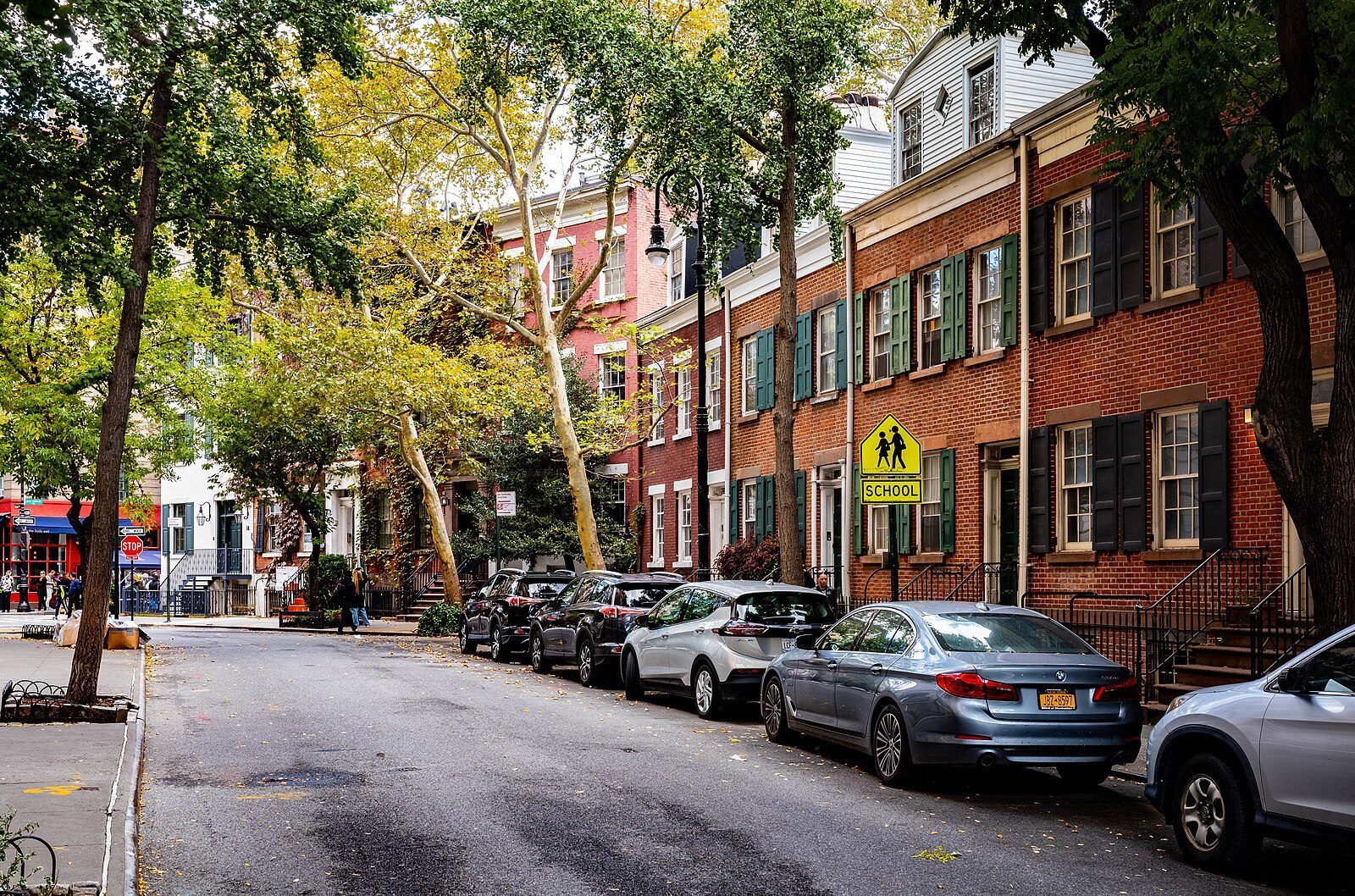
Photography: Grove Street, West Village, rboed (CC BY 2.0); Pier 45, Hudson River Park, Tdorante10 (CC BY-SA 4.0); 75½ Bedford Street, PortableNYCTours (CC BY-SA 4.0); The Stonewall Inn, Antigng (CC BY-SA 4.0); Church of St. Luke in the Fields, Beyond My Ken (CC BY-SA 4.0); 18 West 11th Street, Eden, Janine and Jim (CC BY 2.0). Via Wikimedia Commons.
Neighborhoods