Halsey’s ferry village
Fur merchant Stephen A. Halsey develops the old Hallet’s Cove settlement and incorporates the village — named Astoria to court John Jacob Astor, who never gave it more than a token.
A piano factory, a pool, and a beer garden — on the cleanest street grid in Queens.
A ferry village that industrialized under one family’s pianos, kept its low-rise grid, and grew a film industry in the middle of it. Eleven moments — scroll the timeline.
Fur merchant Stephen A. Halsey develops the old Hallet’s Cove settlement and incorporates the village — named Astoria to court John Jacob Astor, who never gave it more than a token.
Scientific-instrument maker Benjamin Pike Jr. completes his Italianate mansion at what is now 18-33 41st Street. The Steinways buy it in 1870; the city landmarks it in 1967.
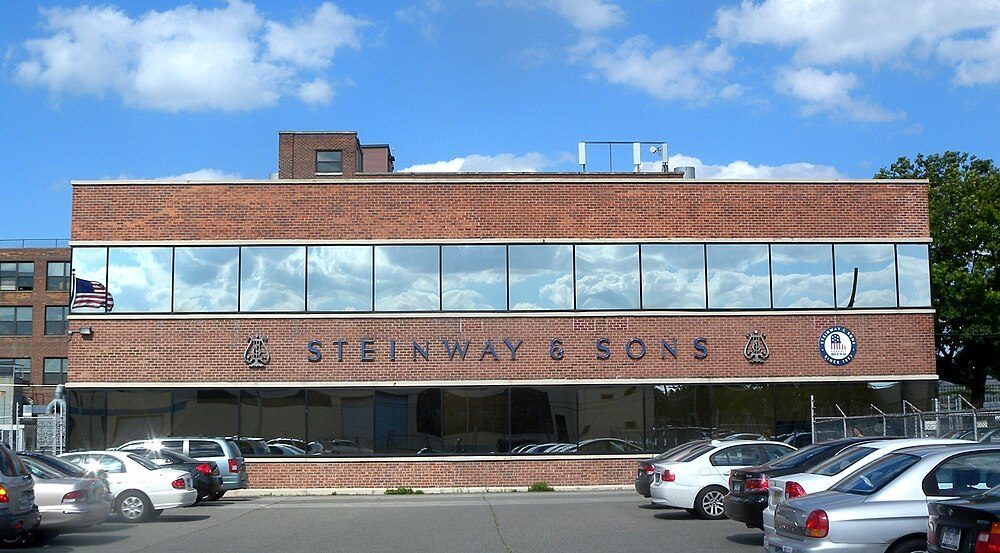
William Steinway buys 400 acres, moves the piano works from Manhattan, and builds a workers’ village around it — homes, a kindergarten, a streetcar line, a church. The factory at 1 Steinway Place has run continuously since 1880.
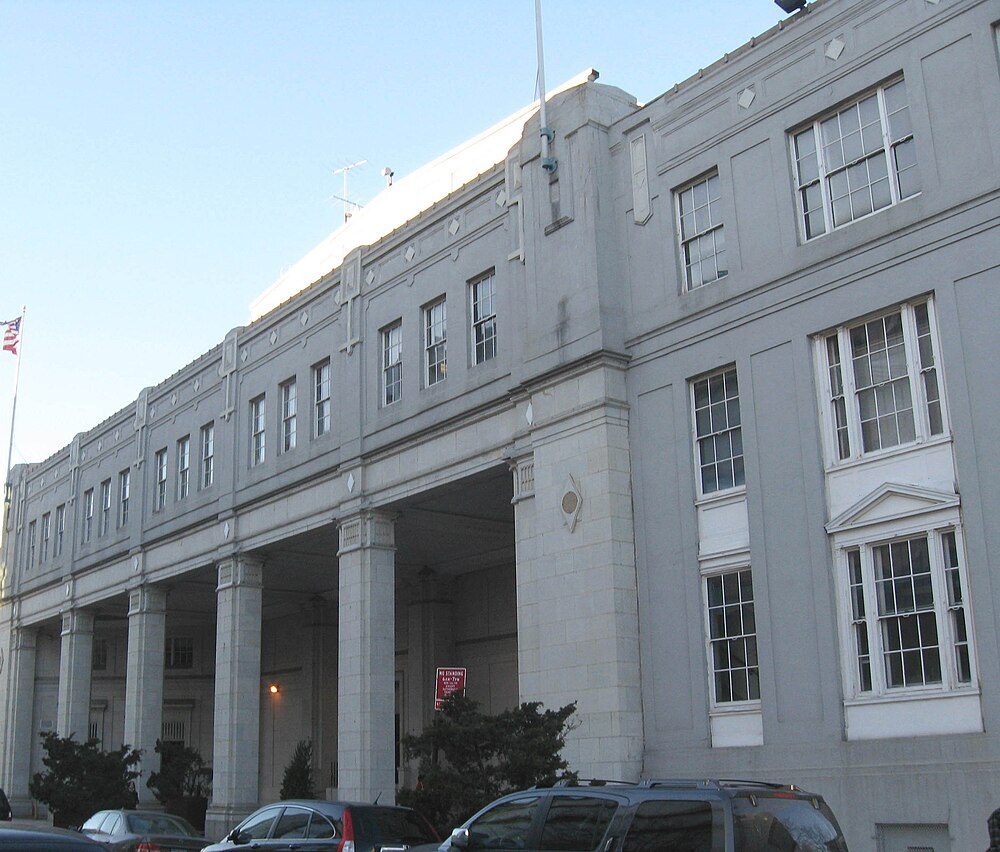
The Astoria branch opens at 14-01 Astoria Boulevard, by Tuthill & Higgins — William Tuthill’s other client was Carnegie Hall. Closed December 2025 for a $14M renovation, due back spring 2029.
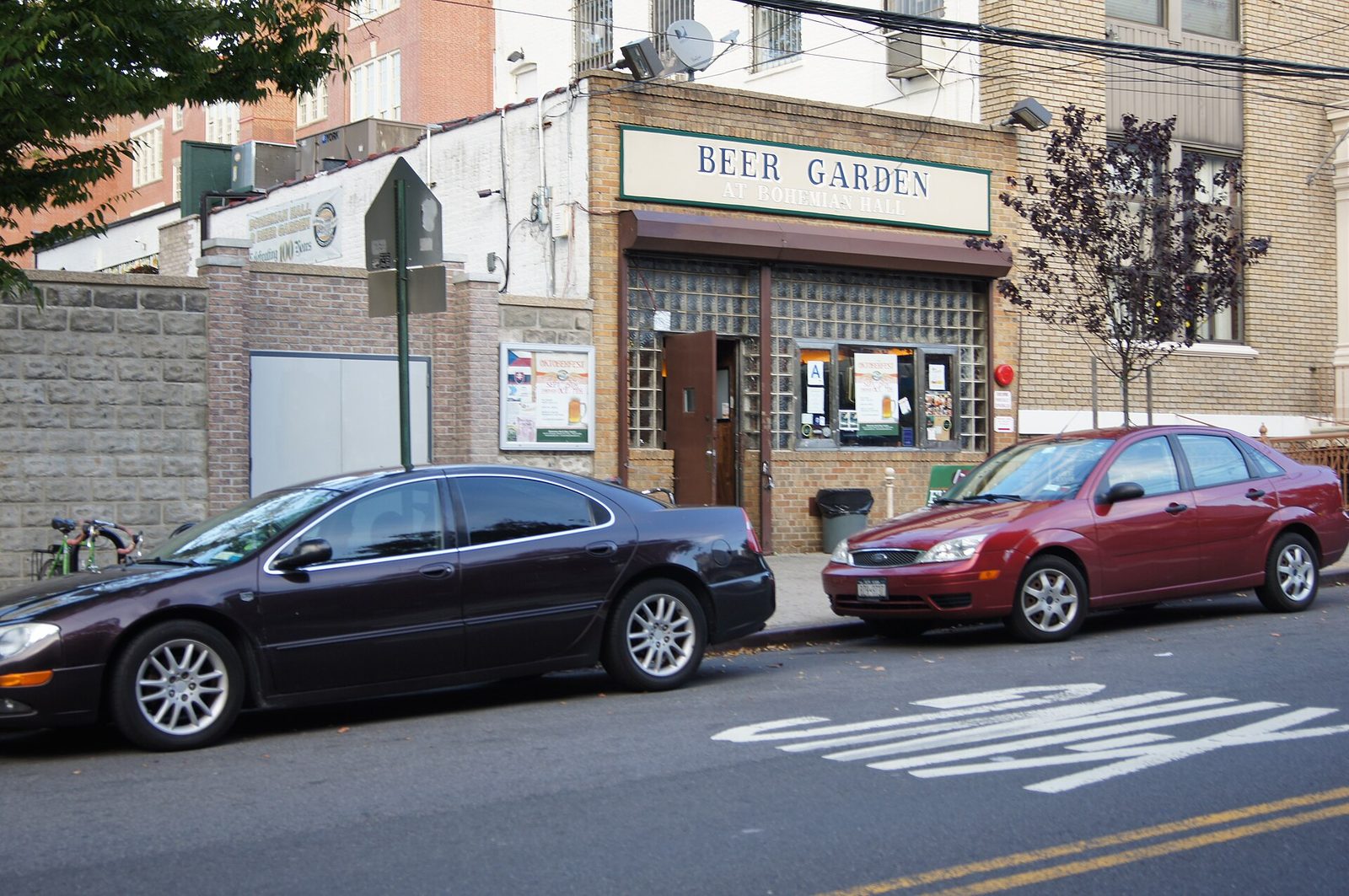
The Bohemian Citizens’ Benevolent Society lays the cornerstone at 29-19 24th Avenue on October 1. A century later it is the oldest continuously operating beer garden in New York City.
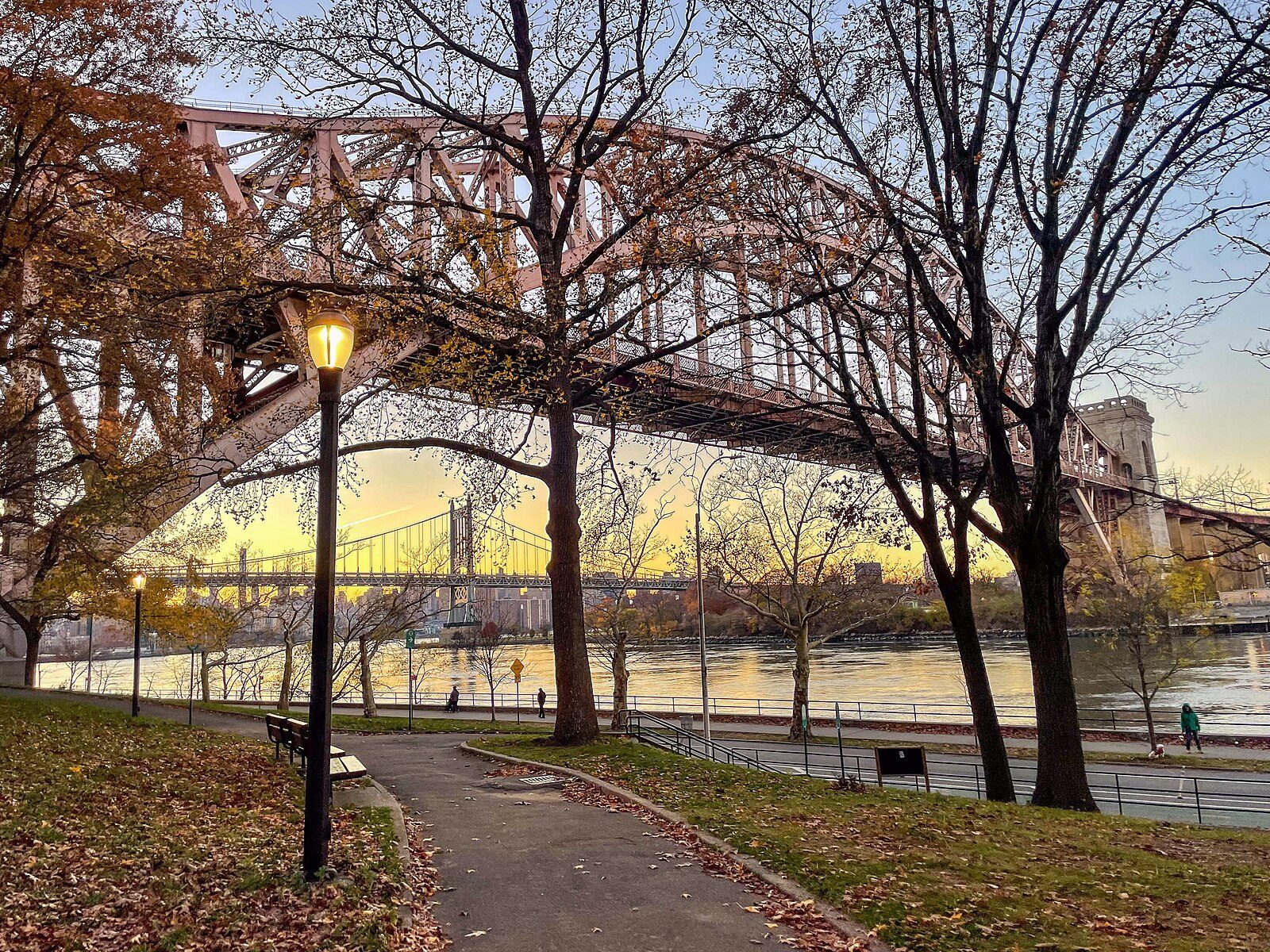
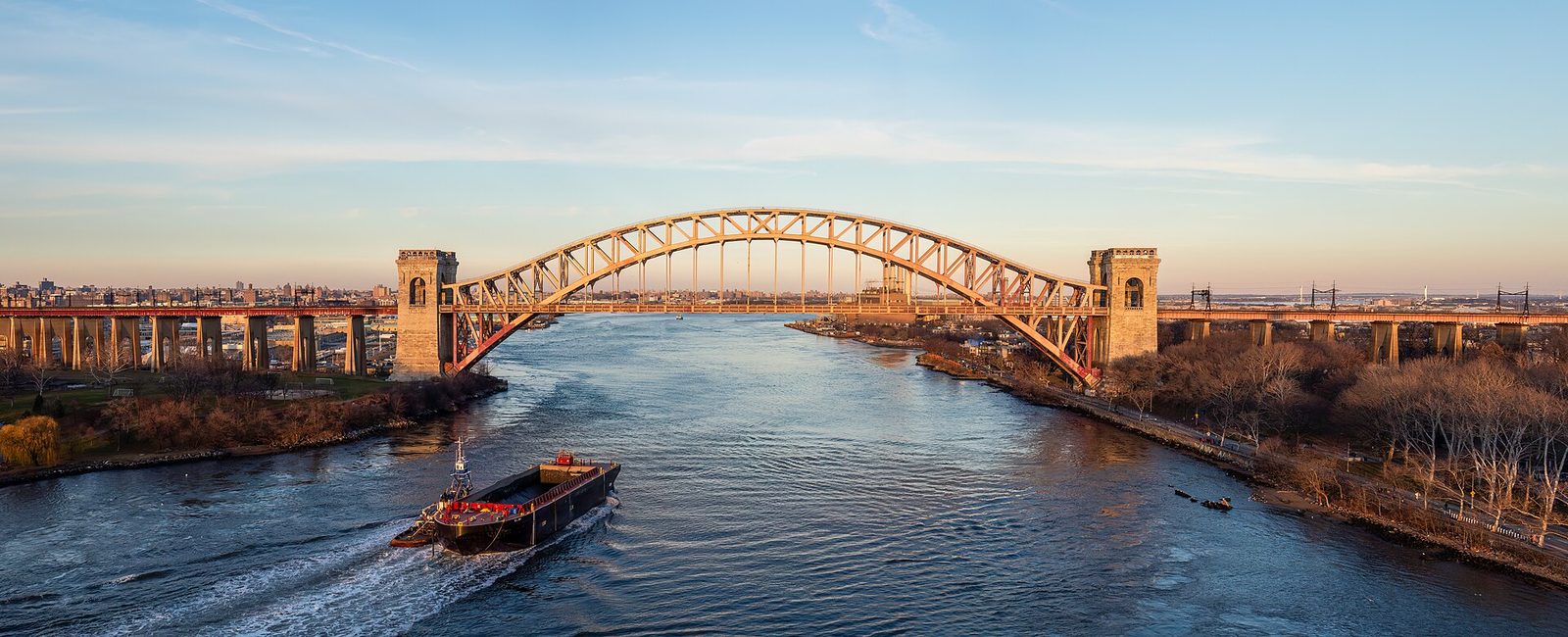
Gustav Lindenthal’s railroad span opens — the longest steel arch bridge in the world at its completion. Amtrak’s Northeast Corridor still crosses it.
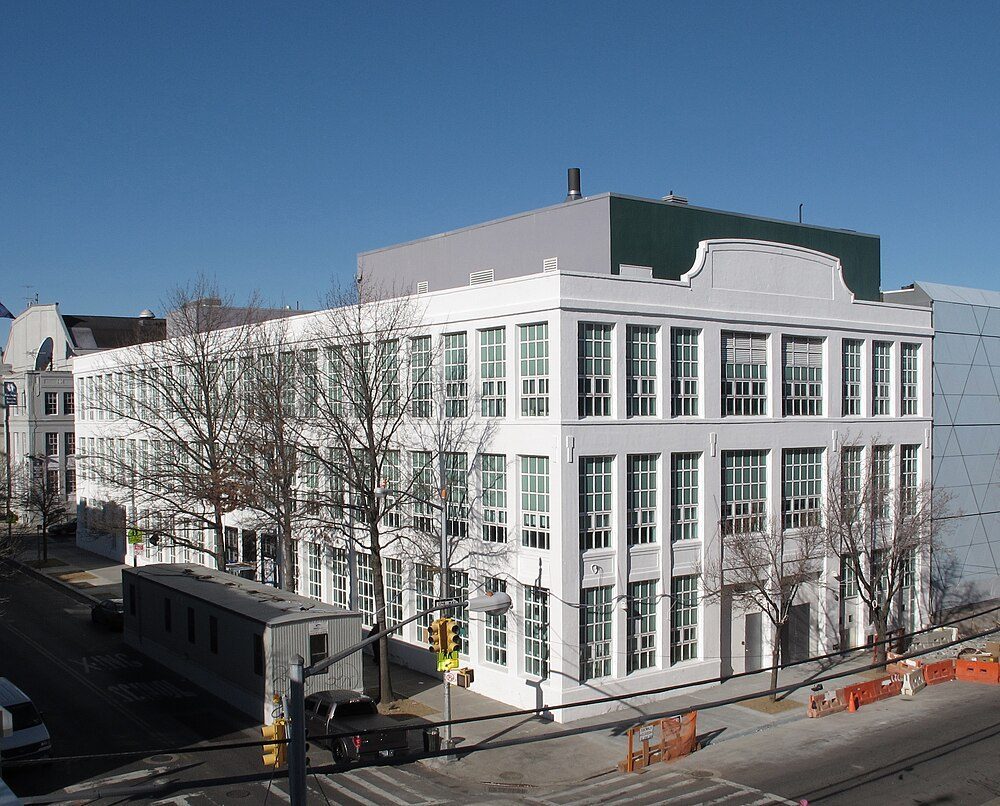
The studio that becomes Kaufman Astoria opens on 35th Avenue as Paramount’s East Coast arm. The Marx Brothers shoot their first two pictures here in 1929–30.
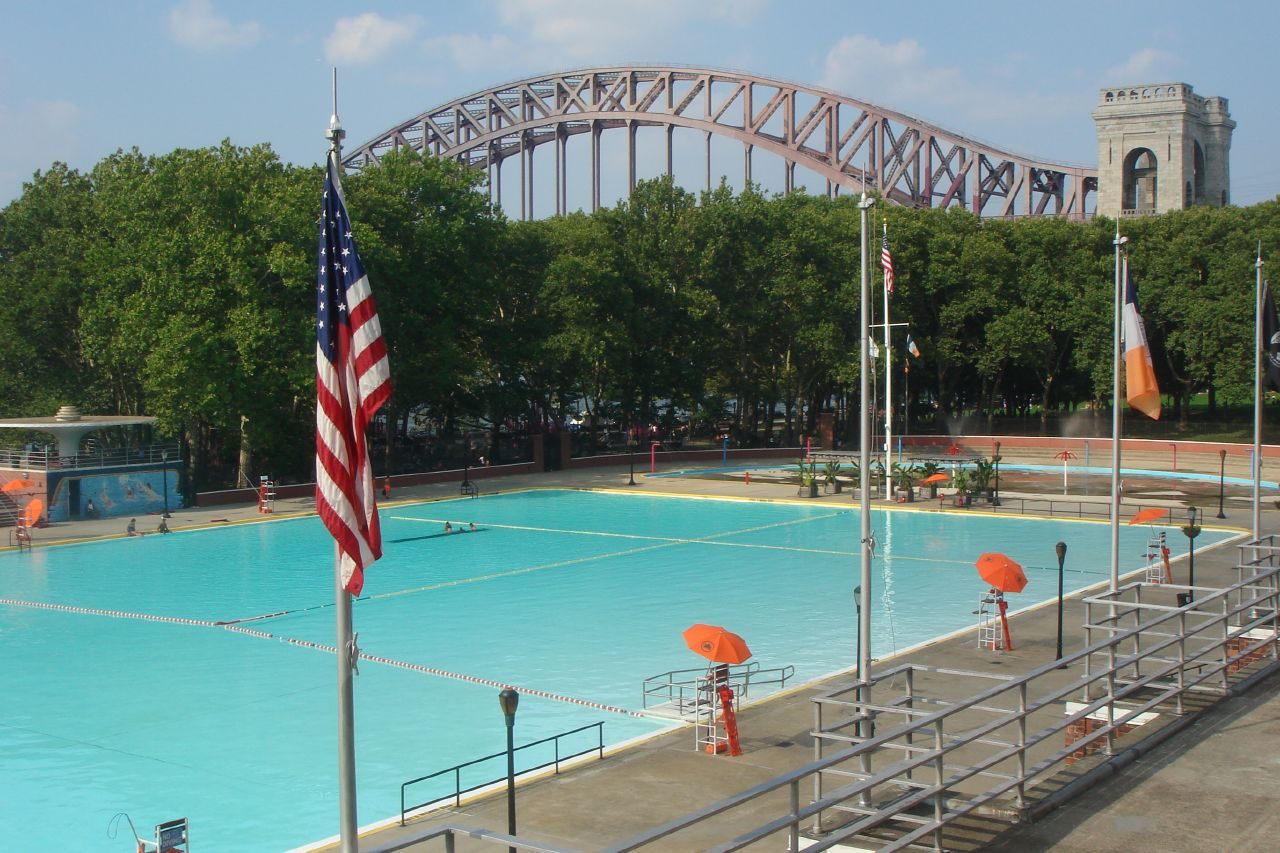
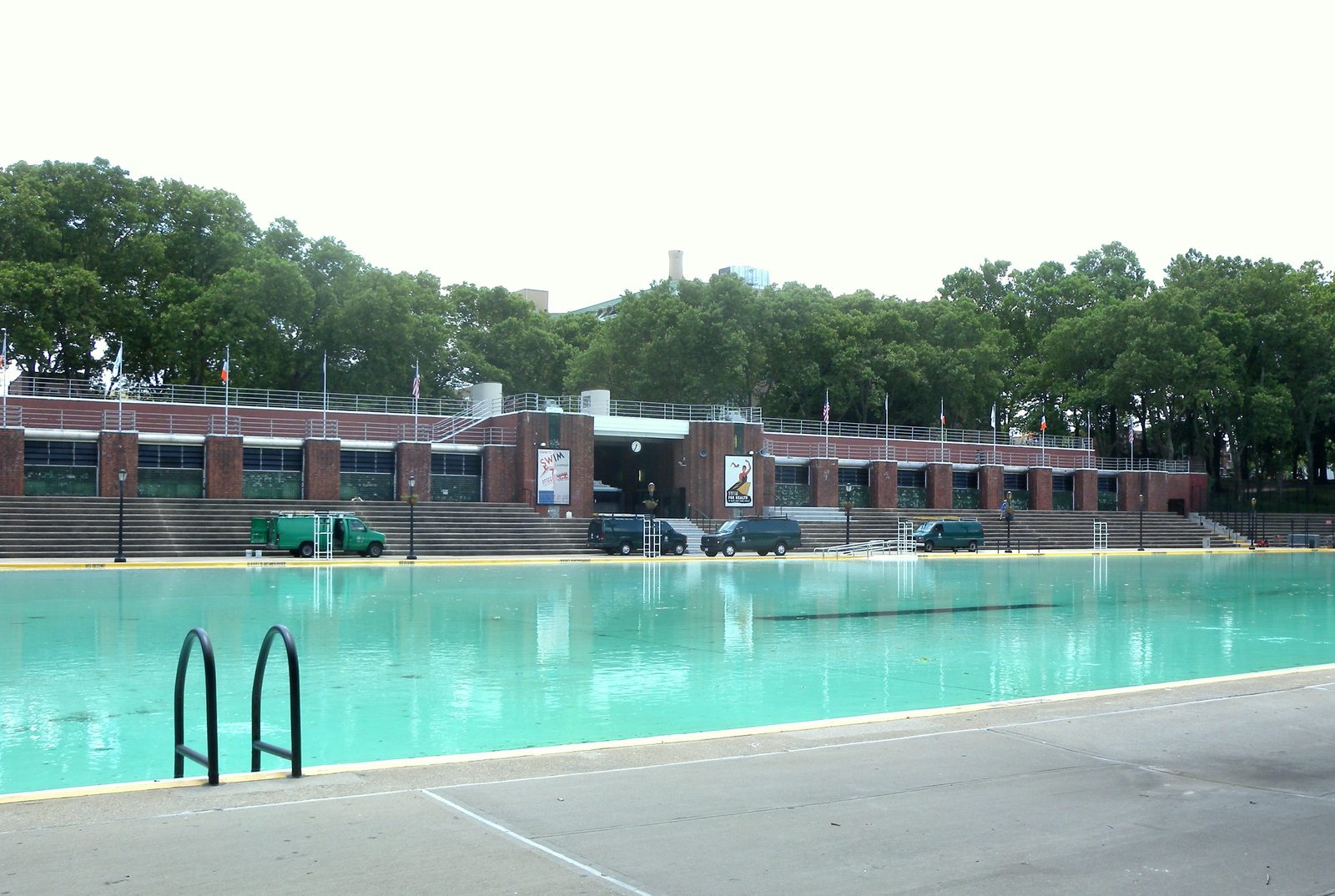
The Astoria Park Pool opens under Robert Moses — 330 feet, the largest public pool in New York City — and hosts the U.S. Olympic swim trials that summer, and again in 1964. The Triborough Bridge opens the same season.
Chartered by Greek furriers, tailors and bakers in November 1927, the parish opens its church in 1942 — consecrated and elevated to cathedral rank for Queens and Long Island in 1985, the civic heart of Greek Astoria.
Isamu Noguchi opens his museum in a converted factory in 1985; Mark di Suvero founds Socrates Sculpture Park on a reclaimed landfill in 1986; the Museum of the Moving Image opens on the Kaufman campus in 1988.
The pool reopens after a ~$19M renovation. At Halletts Point, the 647-unit 20 & 30 towers — topped out 2023 — begin leasing and earn Astoria’s first LEED Platinum certification; Astoria Cove’s first lottery follows in April 2026.
Built in 1936 as part of the WPA program under Parks Commissioner Robert Moses, the Astoria Park Pool stretches 330 feet — large enough to have hosted the U.S. Olympic swim trials in 1936 and 1964. The Art Deco bathhouse and diving platform are NYC Landmarks. Reopened June 2024 after a ~$19M renovation that modernized filtration, deck, lighting, and HVAC. Free public swim runs from late June to Labor Day.
Gustav Lindenthal's 1916 steel arch span across Hell Gate — at completion, the longest steel arch bridge in the world. It still carries Amtrak's Northeast Corridor and freight rail north out of Penn Station, threaded above Astoria Park. Its rust-red profile is the visual anchor of every photograph taken from the park's promenade.
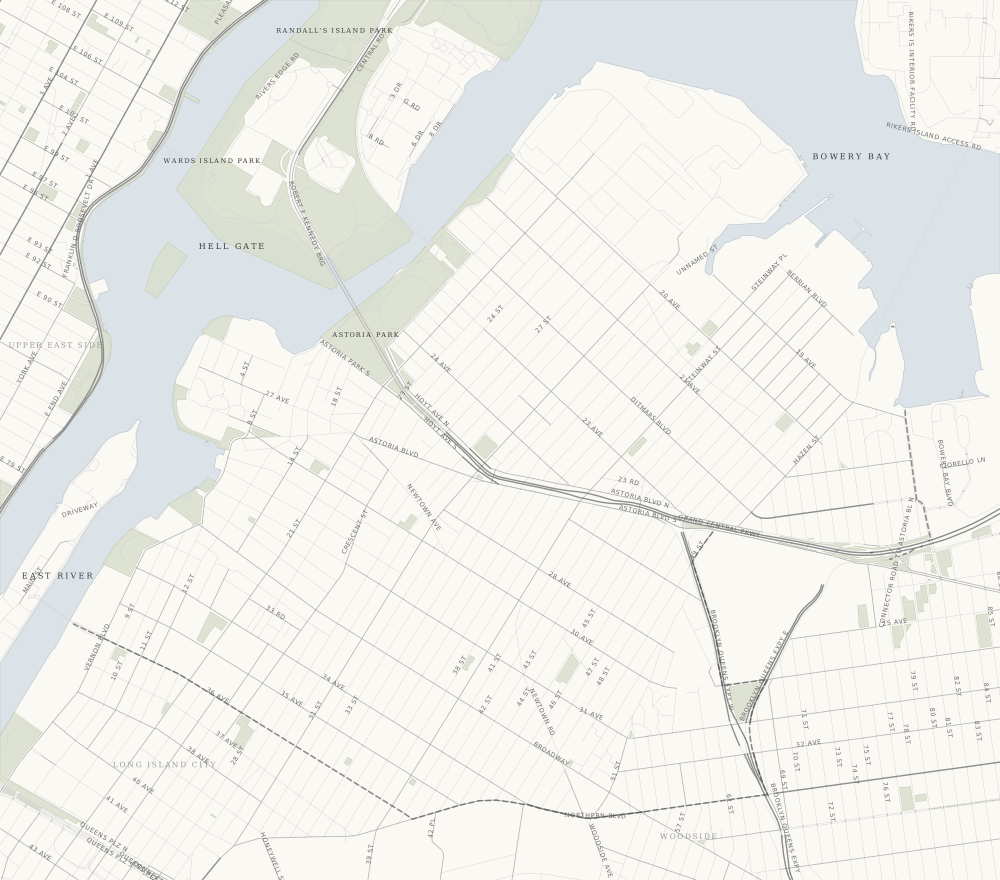
Every place in this guide, on one map. Filter by category, flip on Landmarks & history for the bridges, the Steinway campus and the company town, and look for the ★ — those are YCRE’s picks.
Astoria's pricing structure is unusual for NYC — a flat mid-tier baseline with sharp jumps for waterfront new builds. Pre-war condo and co-op stock (mid-rise brick on the 28-Steinway corridor) trades efficiently in the $700-$1.1M range, depending on subway distance and layout. The waterfront new-build set (Halletts Point's delivered phases, Astoria Cove Phase 1A) carries a meaningful premium. Rentals on the 30 Av and Ditmars corridors clear quickly: a well-priced 1BR within five blocks of the elevated N/W stops usually has applications within ten days. Current PPSF figures sourced from The YCRE Edit, refreshed quarterly.
Italianate / Renaissance Revival villa at 18-33 41st Street, completed 1858 by Benjamin Pike Jr. The Steinway family residence from 1870. NYC Individual Landmark since 1967, on the National Register of Historic Places since 1983.
Opened 1920 for Famous Players-Lasky. The Marx Brothers' first films (1929-30), Sesame Street since 1993, the Cosby Show, Orange Is the New Black. Home to NYC's only studio backlot, opened 2013.
The only U.S. museum dedicated to film, television, and digital media. Founded 1988 in a 1920s Kaufman building; the 2011 Thomas Leeser expansion added the white-aluminum-clad pavilion + Bartos Screening Room.
WPA-era pool, opened 1936 under Robert Moses. At 330 feet, the largest public pool in NYC. The Art Deco bathhouse and the diving platform are NYC Landmarks. Reopened June 2024 after a ~$19M renovation.
Isamu Noguchi designed his museum as 13 galleries arranged around an outdoor sculpture court in a converted factory across from his Long Island City studio. Opened 1985, three years before his death.
The Steinway factory has been making pianos at 1 Steinway Place since 1880. Concert grands are still hand-finished here. Public factory tours are no longer offered — Steinway's virtual factory tour stands in.
Bohemian Hall has poured beer at 29-19 24th Avenue since 1910 — the oldest continuously operating beer garden in New York City.